Showing posts with label fig of the week. Show all posts

Monday, January 23, 2017

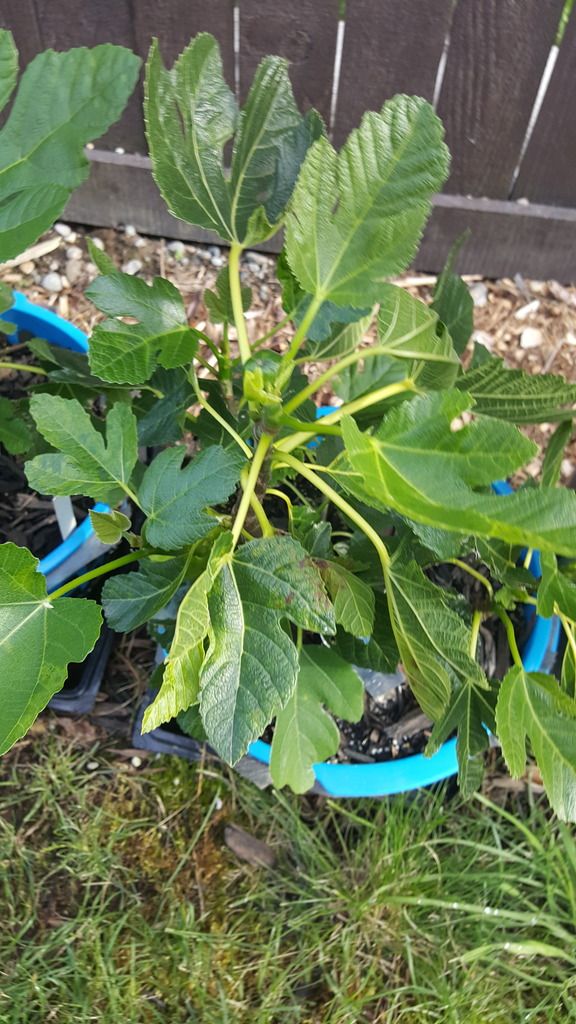
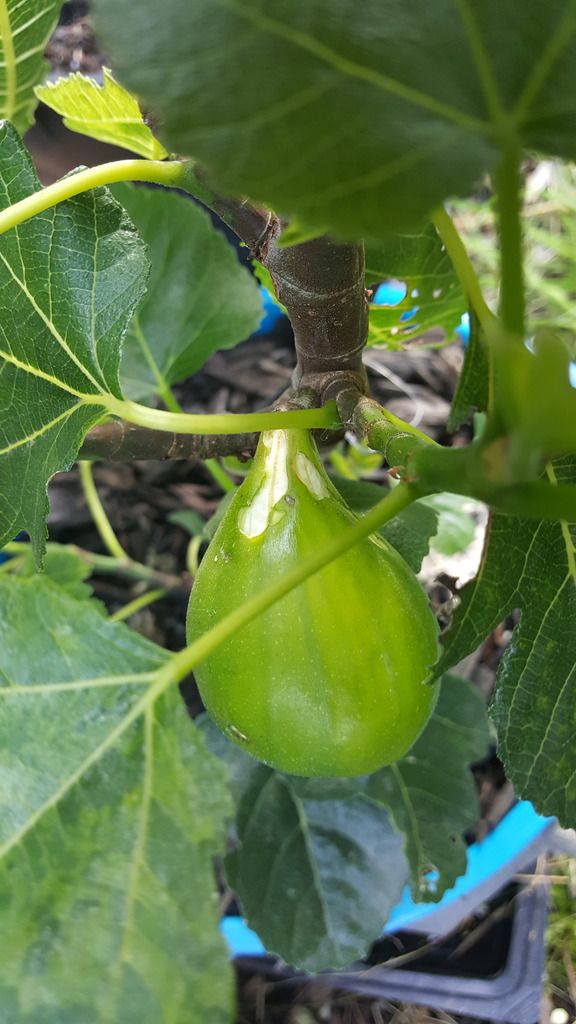
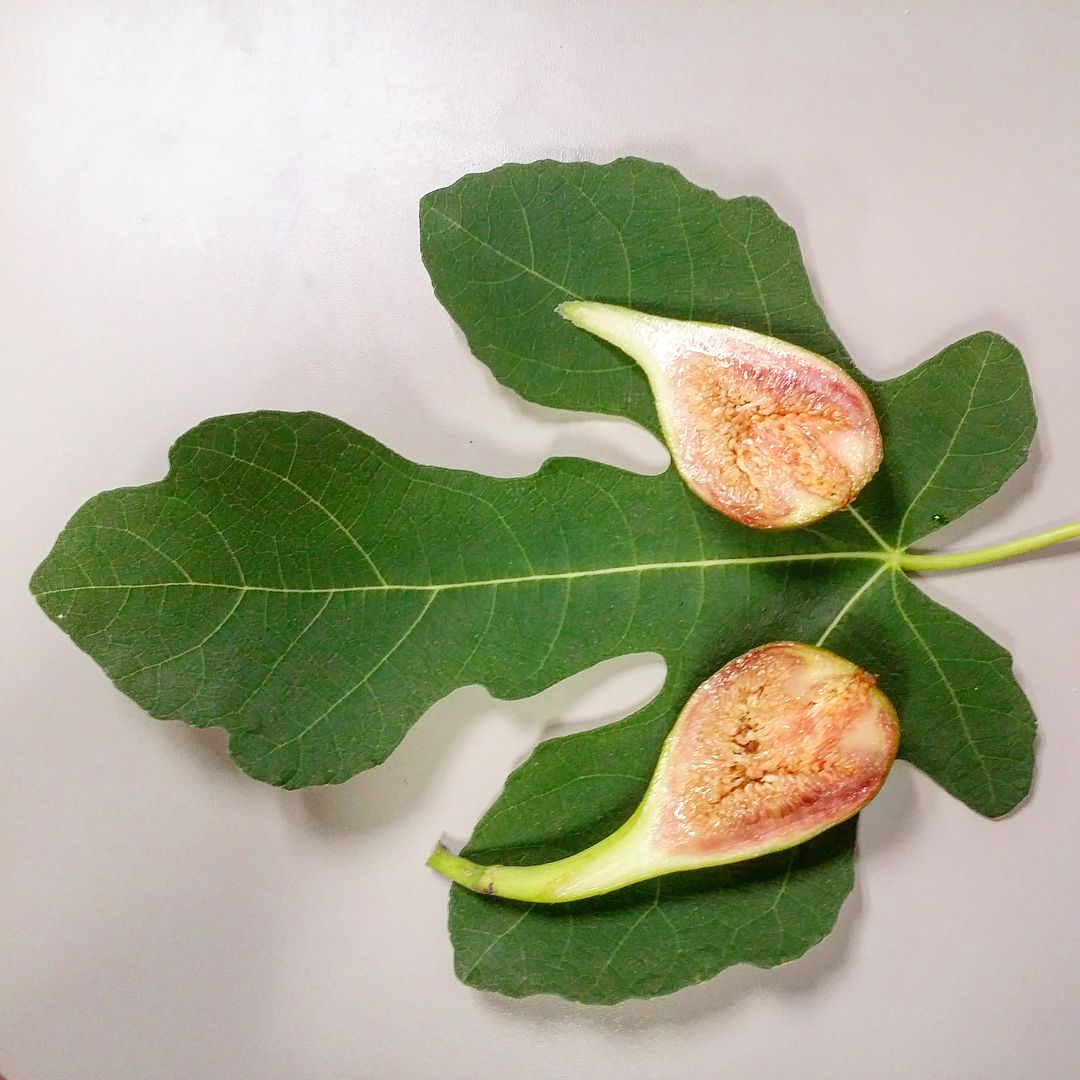
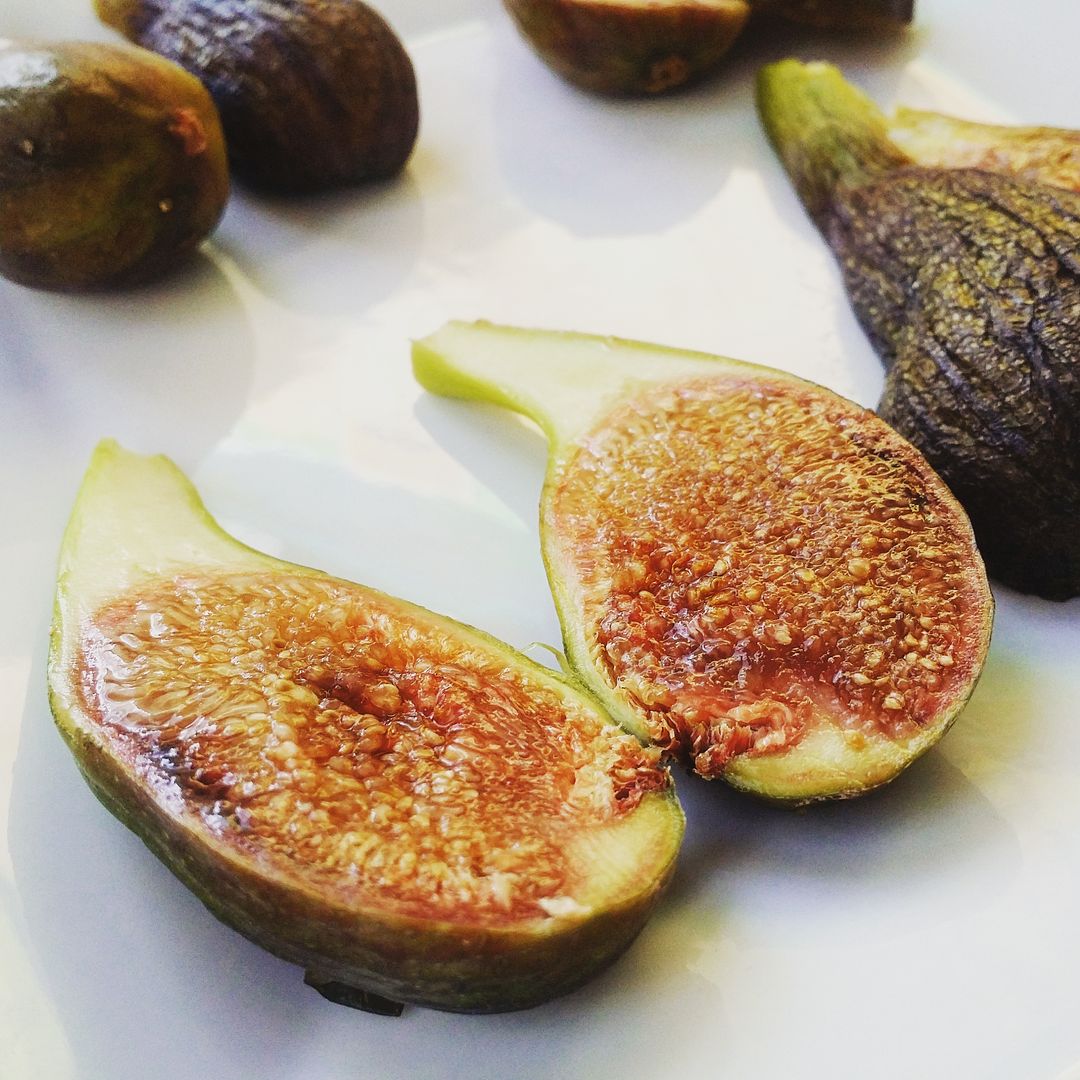
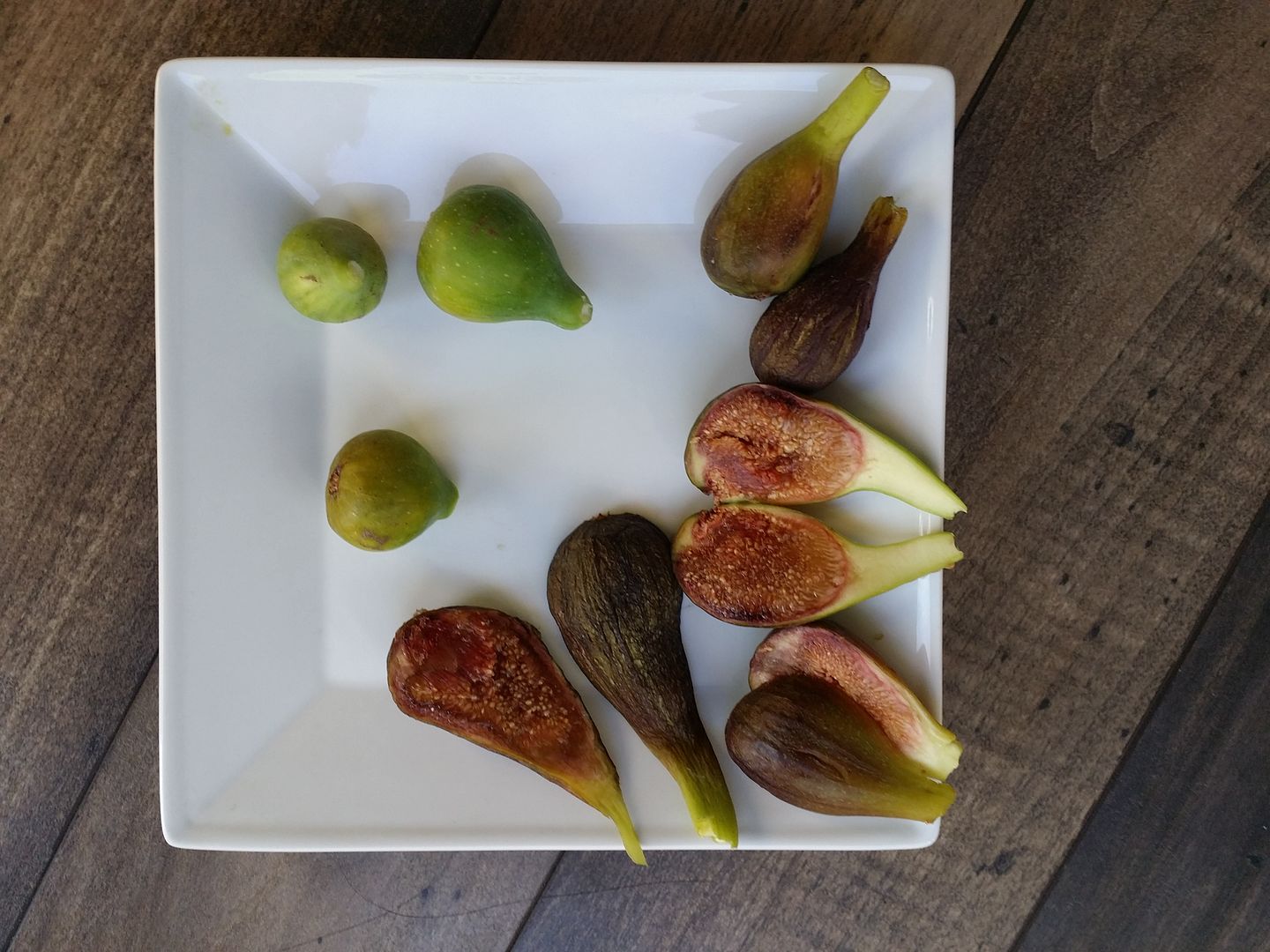
Fig of the Week. #23 Vern's Brown Turkey

Vern's Brown Turkey


Hardiness: A very reliable producer in the Seattle Winter
Type: Common, Unifere
Fruit Ripens: September
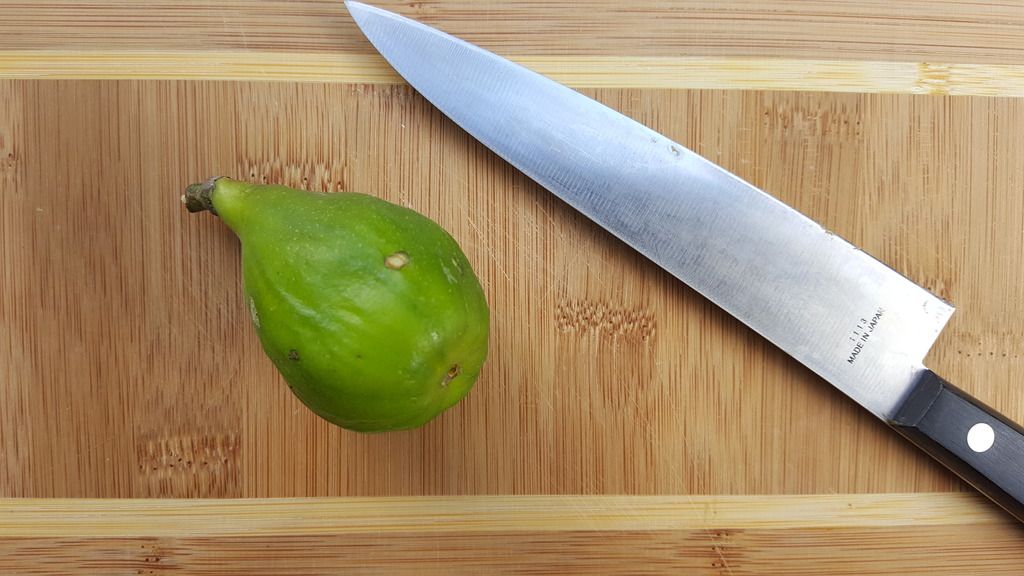
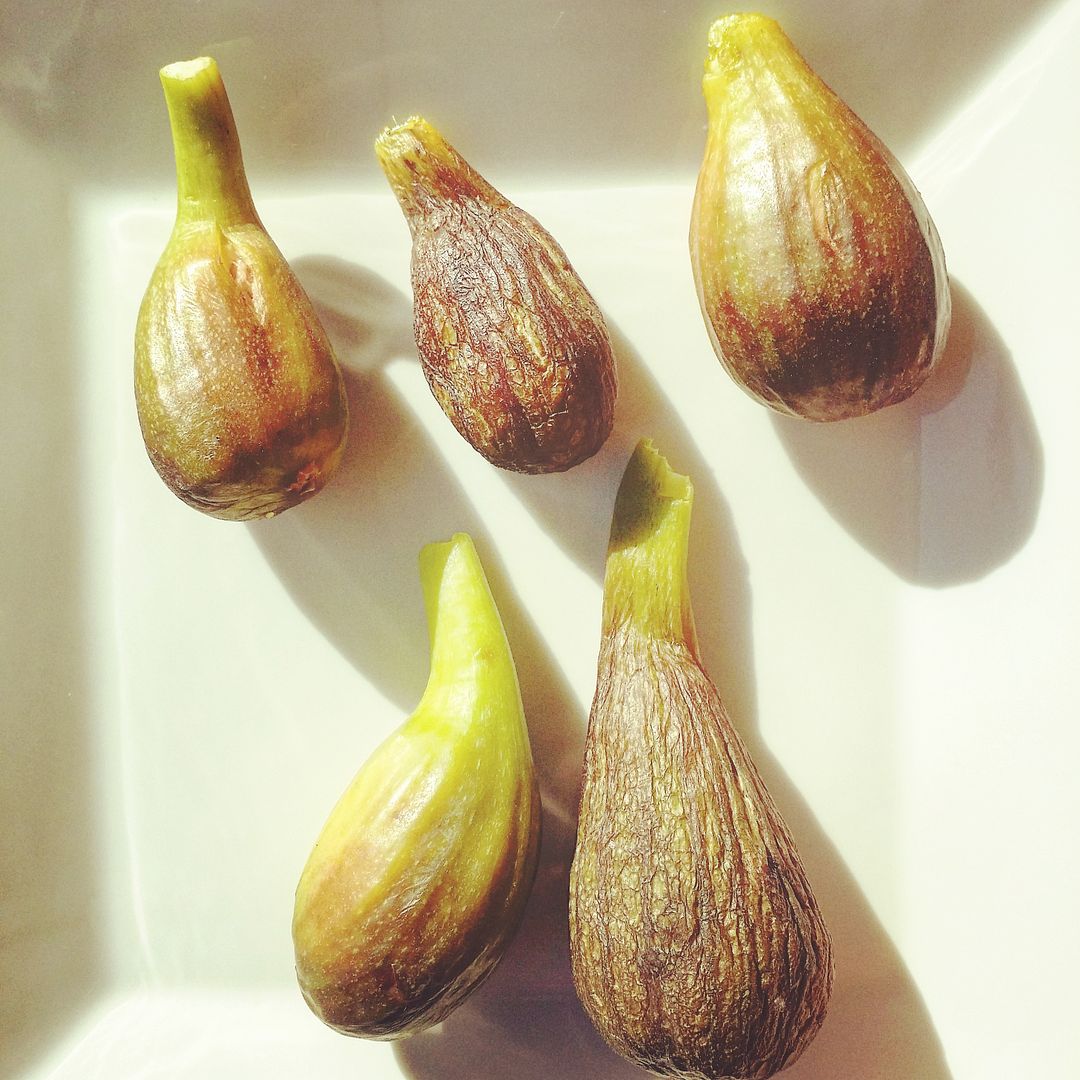
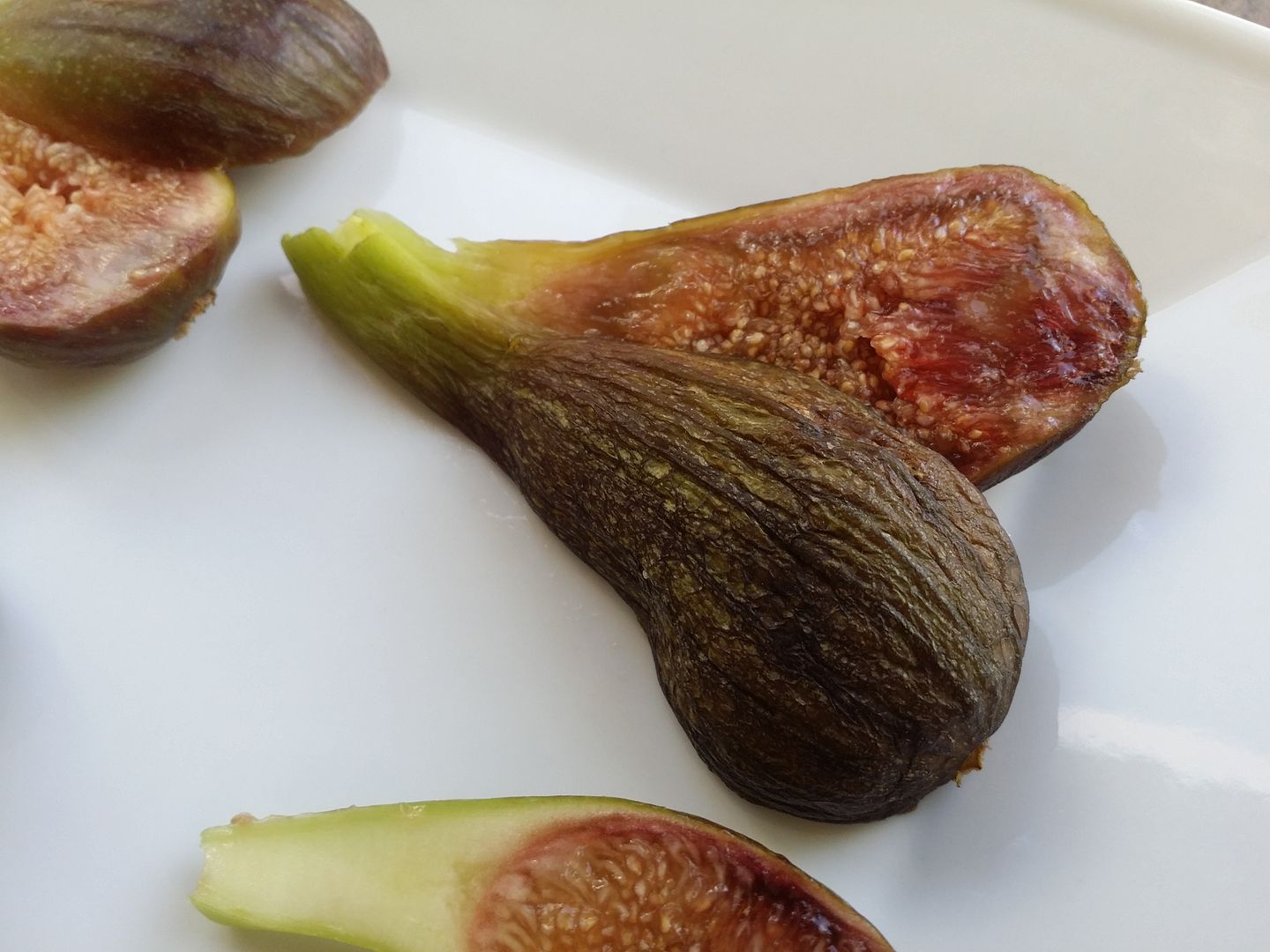
Fruit Color: Deep burgundy with a little bit of green exterior color with a honey yellow interior
Taste: The taste is honey like, not overly sweet but very pleasant
Fruit Weight: 64grams


My Vern's Brown Turkey is grown in ground unprotected and is gearing up to be a very prolific producer.


To distinguish this variety from less reliable varieties also called Brown Turkey, One Green World named it for gardener and writer Vern Nelson. Vern’s Brown Turkey has proven itself a reliable and productive variety in the Northwest. It bears large, sweet and flavorful, dark brown figs with light amber flesh, often producing two crops a year.


This fig reminds me of a Neveralla or Osborn Prolific. Vern's Brown Turkey is much juicier though and has more flavor. In my opinion it's a superior to them.

Vern's Brown Turkey
Taste: 7.75
Size: 7
Productivity: 8
Total =   22.75


Thursday, January 19, 2017

Fig of the Week. #23 Olympian

Olympian Fig


Hardiness: Thrives the Seattle Winter with great Brebas
Type: Bifere
Fruit Ripens: July and Sept
Fruit Color: Long neck Fruit with an amber orange color with pinkish interior very productive
Taste: Rich and berry like. Tastes better than Chicago Hardy
Fruit Weight: 50grams


Olympian: Breba (Taste Score)
Taste: 6.5
Size: 4
Productivity: 5
Total =15.5


Discovery:
http://www.thenewstribune.com/living/article25888723.html

The Olympian was discovered here in Washington State and was genetically tested  by Denny McGaughy to show that it was an undiscovered fig. Pretty cool story, to know that we have a local fig here.

Fruit: The Olympian Bears some resemblance to the Gene's Vashon, they both have a long yellow neck and a copper color to the main part of hte fruit. However the taste is much different in comparison. Gene's Vashon has silkier melony sweet taste vs the Olympians fruit. Watch the video for more detail on the comparison.

Conclusion: This is a must have fruit for any area. It's a bit harder to root this variety than lets say a DK or Gillette but the beauty of the fruit and it's great breba makes it a perfect candidate for any garden.


Tuesday, January 17, 2017

Fig of the Week. #22 Green Greek

Green Greek Fig


Hardiness: Hardy to Zone 8B
Type: Unifere
Fruit Ripens: September - October
Fruit Color: Olivey Dark Green
Taste: Jammy with raspberry tones very sweet
Fruit Weight: 25G


We collected the Green Greek fig from a knowledgeable local member of the Fig Addiction group here in Seattle. From what I can tell the color is very different from anything that I can find online. So most of what I have to describe about this fig is through first hand experience.

Most of the other Green Greeks I found were of a very light green color. So like many other figs out there there could be several varieties out there with this name. It's a possibility that zone and climate may affect the color but the degree of difference that I can see is way too high compared to some other green greeks that I found online.

This is a relatively cold hardy fig that did not require that much protection here in Seattle. By that I meant that it was brought into the greenhouse for winter but I'm willing to bet that it will do well outdoors as well. It's a single crop and ripens through the month of September here in Seattle.

The taste is sharply sweet with very strong raspberry tones. It's definitely a keeper and would make a great addition to any collection.


Green Greek Compared to a Smith on the right


Taste: 8.75
Size: 4
Productivity: 7
Total =  19.75

Tasting Video


Fig of the Week #21: Black Madeira

Black Madeira aka Figo Preto aka Violeta

Hardiness: Zone 8B - Needs frost protection here in Seattle
Type: Unifere common fig that does not need to be fertilized by a caprifig
Fruit Ripens: Late October - November
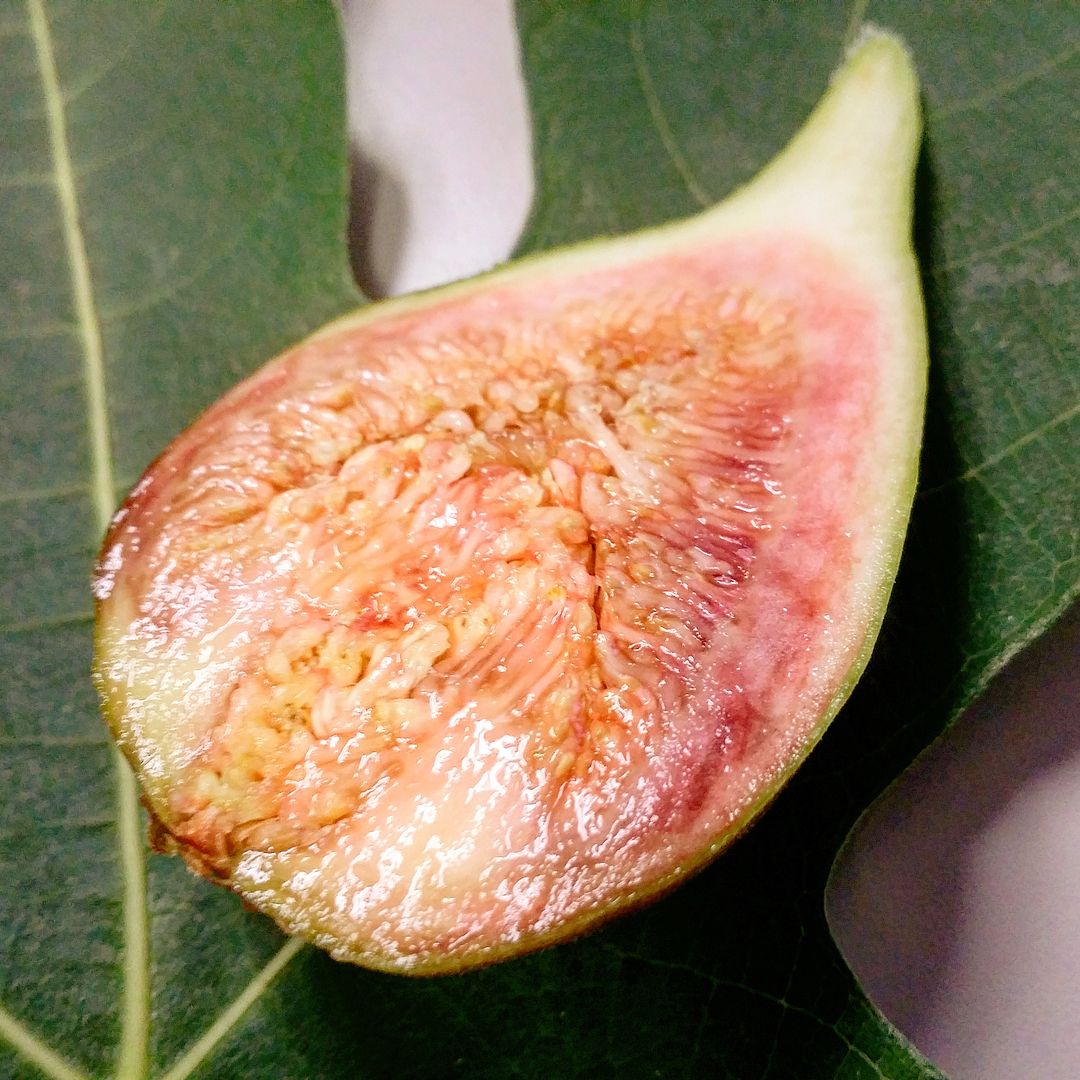
Fruit Color: Black and red pulp
Taste: Mind Blowing! Intensely rich strawberry
Fruit Weight: 53 grams - Medium sized


Through the last couple of years I've purchased Black Madeiras from various sources. The tree from KK produced for me after a couple years in 2016. It was worth wait because a ripe Black Madeira is one of the best figs you will ever taste!

Crazy about Black Madeira


Originally brought over from the Island of Madeira in Portugal to California over 50 decades ago the tree has become legendary amongst collectors for it's amazing taste and richness.  It adopted the name Black Madeira when it reached California, characterizing the color and where it came from originally. It's known as Figo Preto on Madeira Island, which means Black Fig. Violeta is a more ancient name of the fig in other parts of Portugal.


How to recognize a Black Madeira fig

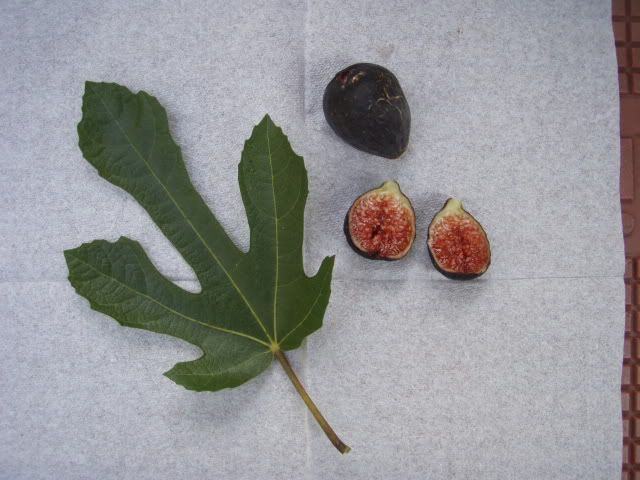
Leaves: The leaves can be one lobed or 3 lobed with NO cankles. This leaf below is the typical shape.


Fruit: The fruit has a lovely bell shaped. It's firm and can be enjoyed without getting overly ripe. The black color is sometimes speckled by tiny white dots. The syconium wall is thick which helps it hold its shape and gives it that wonderful bite and texture. The pulp is red and often times there is a small cavity in the center of the fruit.


Growth Habit: 
Black Madeiras are slow growers, probably because so much of it's energy goes into the growing it's fruit. The slow growth and it's difficulty to root creates high demand and tends to drive it's prices relatively high. If you get a cutting and it's shoots out a ton of growth, you probably have been scammed.

Some of my cuttings took literally 6-8 months to root and leaf out.

Conclusion: If you do not have a Black Madeira. Get one!


Taste: 11
Size: 6
Productivity: 4
Total = 21

Tasting Video


Monday, July 11, 2016

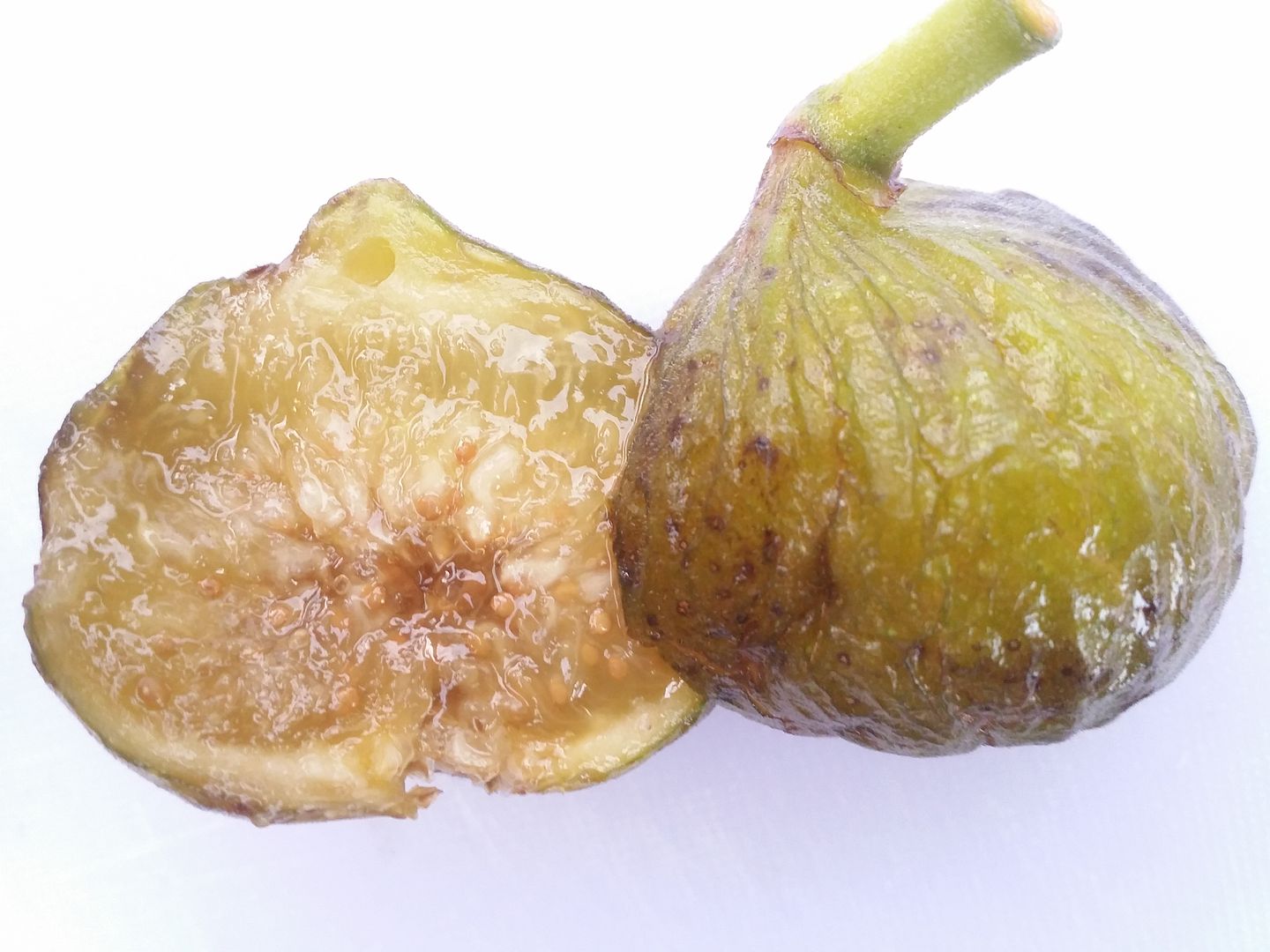
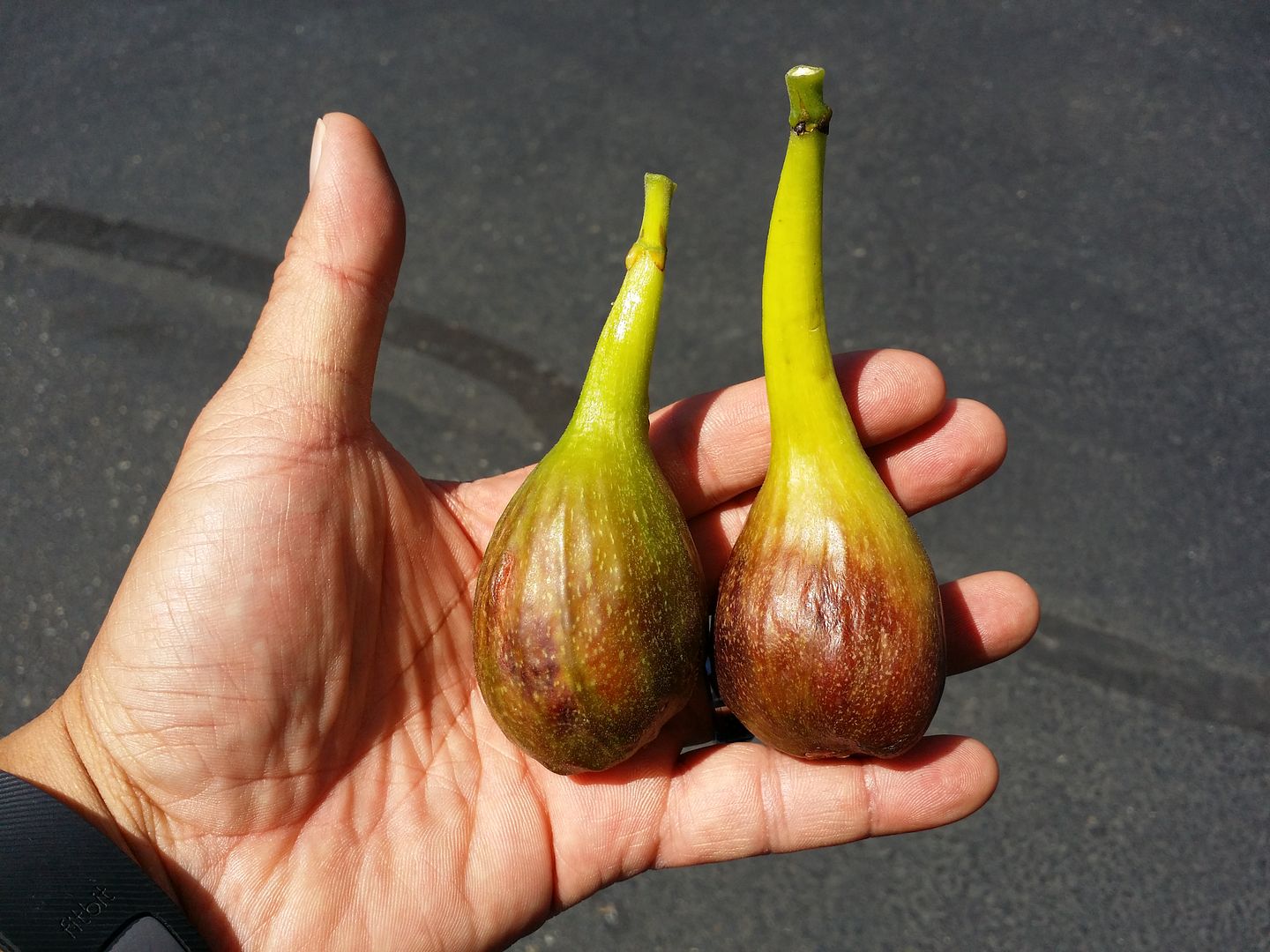
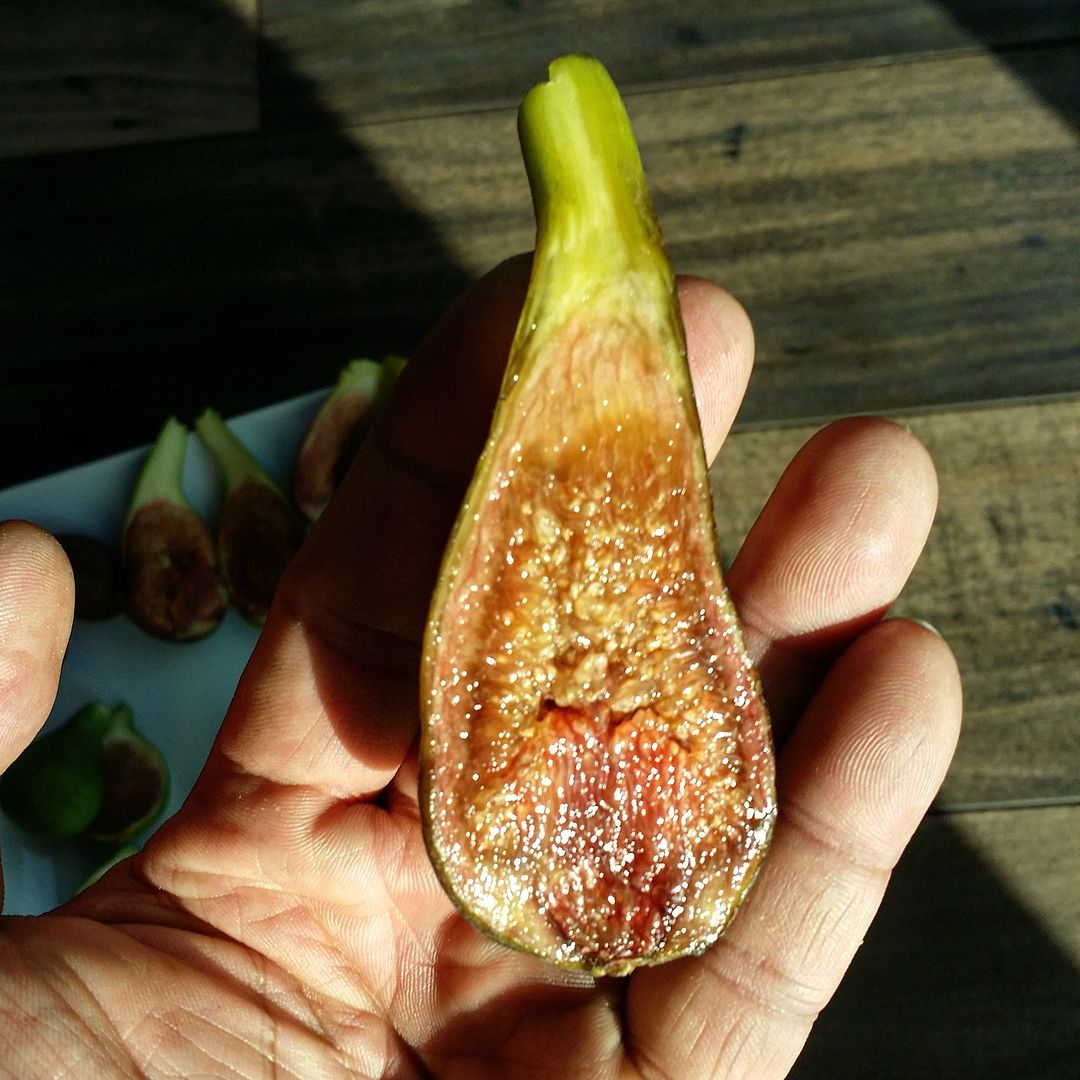
Fig of the Week #20: Oregon Prolific Fig

Oregon Prolific AKA Marseilles

Hardiness: Hardy to Seattle's winters
Type: Bifere
Fruit Ripens: Mid July and September
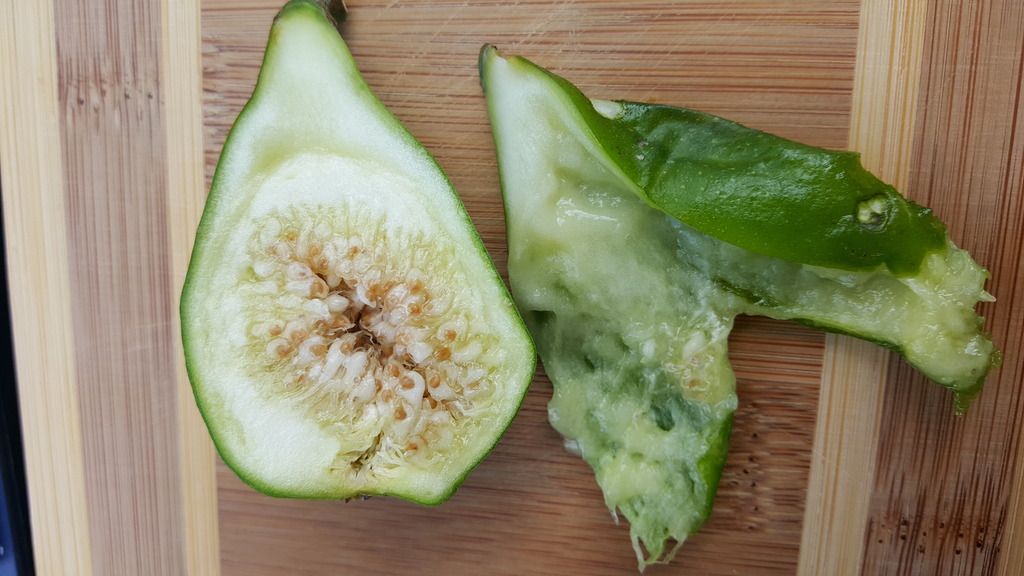
Fruit Color: Green and amber pulp
Taste: mildy sweet, moist and soft texture with seed crunch
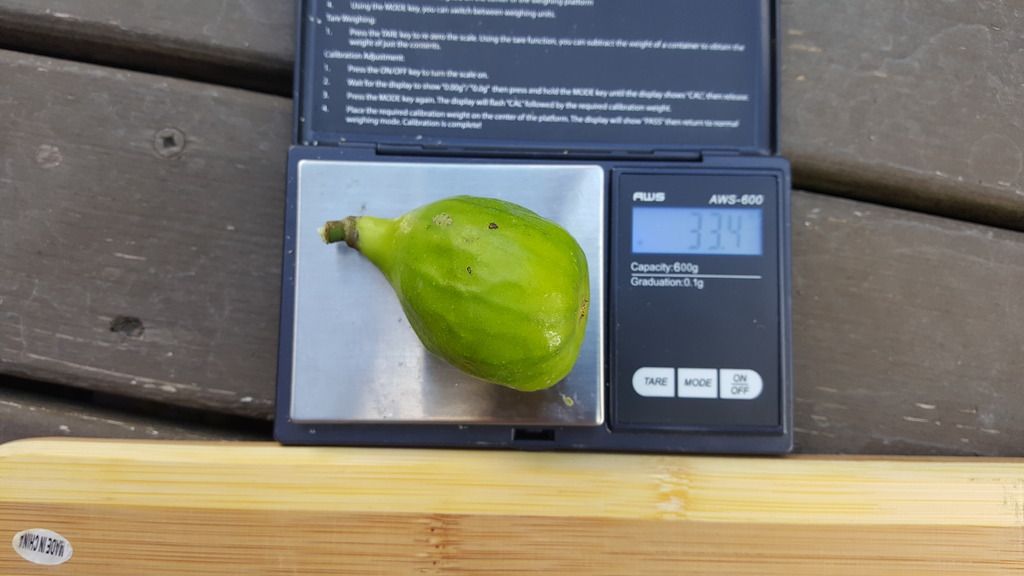
Fruit Weight: 33 grams but may grow larger


Purchased from Portland Nursery

Like so many other figs, the Oregon Prolific is really a Marseilles and it has been renamed without proper research into it's true origin. But even the name Marseilles or white Marseilles or St. Anthony, is it really the original name? Of course not. The problem is if we truly go back to the origin of the fig, in many cases it would be somewhere in the Mediterranean, that's really the name we should be using.

However the fact that figs travel well doesn't help it's naming convention. Every new conutry a fig lands in they inherently pick up new name in it's new country. So the fact of the matter is, most figs have about 4-10 synonyms and it's impossible to keep up.

But to keep things straight. An Oregon Prolific is really a Marseilles.

Historical Anecdote: Marseilles was Thomas Jefferson's favorite fig.
 https://www.monticello.org/site/house-and-gardens/marseilles-fig

Marseilles = Oregon Prolific, White Naples, Figue Blanche , Lemon, Marseilles, Lattarula, Oregon Prolific , Italian Honey, White Marseilles

I was surprised that such a small tree would produce so early. It came off of a small tree.

Oregon Prolific: Breba

Taste: 4.5
Size: 3
Productivity: 2 (But still too young to tell)
Total = 9.5 


The Fruit weighed in at 33.4 grams


If you already have a White Marseilles or Latturala no need to add this to the collection. It's a good fig but doesn't rank in my top 5.


Monday, March 14, 2016

Fig of the week. #19 Golden Riverside

Fig of the week. *Golden Riverside (This might not be a Golden Riverside)


Hardiness: May need some protection, I have not risked it in the winter yet
Type: Unifere
Fruit Ripens: November
Fruit Color: Green and reddish with an amber interior
Taste: Water, mild melony tones
Fruit Weight: 100 grams but may grow larger


Here's the back story on where I got this fig from.

Golden Riverside Fig from CA.

The Golden Riverside Fig is a BIG ASS fig! It's the biggest one that I'm currently growing. If I'm lucky this year I'll get to compare it to the Genovose Nero Fig, which is also another large fig.


It's a vigorous grower and can get large in a very short amount of time.

This is a late fig ripening in November so a greenhouse would be ideal if you are growing this fig in cool climates. It's mildly sweet and can get watery if left out in the rain. It is a good fig to eat if you let it completely ripen on the tree.

Tasting Video: 2015


Update: 10/2016

So after a couple of years with this fig, it has become one of the best tasting figs I have in the collection.


Monday, February 29, 2016

Fig of the week # 18 Malta Black

Fig of the week # 18 Malta Black | AKA Father of the Celeste

Hardiness: Survives the Seattle Winter
Type: Unifere
Fruit Ripens: September
Fruit Color: Black with red interior
Taste: Sweet berry tone
Fruit Weight: 10 grams


Malta Black is another great fig for the Pacific Northwest. It's extremely resilient to cold. It dies back in zone 5 and will completely grow back. It's production isn't as good as the Takoma Violet and It's fruit can be considered on the small side but taste wise it's pretty good and jammy like strawberry jelly with a hint of wininess.


Wednesday, February 24, 2016

Fig of the week. #17 Petite Negra

Fig of the week. #17 Petite Negra AKA Petite Negri

Hardiness: Survives the Seattle Winter
Type: Bifere
Fruit Ripens: July and September
Fruit Color: Black with red interior
Taste: Sweet berry tones very thin skin
Fruit Weight: 29Grams Breba and 7 grams Main
Leaf Structure: 3 lobes and single lobed


This little fig is a great tasting bite size snack. However you're gonna need 2 handfuls of these to actually satisfy any cravings. It's like eating a jammy grape. Very good. I would recommend trimming this plant to a bush form to maximize the fruit production. You're definitely not at a risk for breaking branches from such tiny fruit.

Some people think this is really similar to VBD but I believe it's a completely different variety for sure. The fruit size look very different.

If you like small plants this is your best bet. It does great in containers and will stop growing at a certain size.


Compared to a longue D'aout


Tuesday, October 20, 2015

Fig of the week. #16 White Kadota

Fig of the week. White Kadota

Hardiness: Survives the Seattle Winter
Type: NA
Fruit Ripens: Sept
Fruit Color: Yellowish Green
Taste: Nasty!
Fruit Weight: 35grams


This is my 2nd year old tree. It's the first time it's bearing fruit and is suppose to be "Super Sweet" according to most websites. However, I'm not sure if it's because it's a young tree or our cool weather here in Seattle. Most figs can pass as being decent enough to eat, but this fig is just plain bad. It's SO bland! There's no taste! No Seeds and just not worth growing here. It's like eating up rotten lettuce.

I believe it does better in the South where it can get more heat, but for Seattle it's just borderline pig fodder.

After some research I believe the seller mislabeled this fig cutting on their Ebay. It's probably not white Kadota.

Notes:
Greenish Yellow Fig weighing in at 35grams and ripens one crop in Late September.


Wednesday, October 7, 2015

Fig of the Week. #15 Chicago Hardy

Fig of the Week. Chicago Hardy AKA | Bensonhurst Purple fig | Sale EL

Hardiness: Survives the Seattle Winter
Type: Unifire
Fruit Ripens: August
Fruit Color: Black/Purple with red interior
Taste: Like Strawberry Jam
Fruit Weight: 22grams
Leaf Structure: One main lobe and 2 smaller lobes


One of the most widely distributed figs in the USA. And for good reason, it's an extremely tasty and hardy fig that does well, just about anywhere. It may suffer die back on cold winter months but can grow back to produce figs the same season.

From a post on GW by Leon:

"Hanc Mathies once told me that the DiPaola's, friends and owners of the Belleclare Nursery in Plainview, NY, somehow tracked the Bensonhurst Purple fig to it's origen on Mt. Etna, Sicily, where the variety is known to have been growing at about 3000ft above sea level.
It apparently gained a reputation in New York where it earned it's local name and, like most things, eventually found it's way to Chicago. There, a sailor stationed at Great Lakes Naval base, by the name of Fred Born, propagated a tree given to him by an Italian man who lived on the south side of the Windy City. The tree flourished without any protection by all accounts, despite the harsh Chicago winters. Fred eventually migrated to Florida, taking his tree on a long and winding road. He called the fig, Hardy Chicago, for obvious reasons. Eventually the variety reached the retail industry and now you know the rest of the story."


Notes:
*Black fig with a red interior
*Smaller fig about 25g
*Ripens in September here
*Tends to grow lots of suckers
*Mine is grown in ground


Thursday, October 1, 2015

Fig of the week. #14 Verte

Fig of the week. Verte AKA Green Ischia |  strawberry Verte | Calvert | Verdone | Figue Despagne | Verdae | New Verte Ischia green | Verdalle, Trompe-Cassaire | Figue D'Hiver | Des Dames | Ficus Carica Aulica Risso


Hardiness: Survives the Seattle Winter
Type: Unifere
Fruit Ripens: Late Sept
Fruit Color: Greenish yellow fig with red pulp and seed crunch
Taste: Tastes exactly like strawberry jelly
Fruit Weight: 20 grams
Note: Cuttings are easy to root about 4 weeks to get a good roots and leaves

Another super fig for Seattle. It also comes in many names! Small but very tasty! It holds on to it's leaves longer than most other figs, which may make it cold tolerable fig that ripens in cool temperatures, but could suffer from frosts damage if it's branches do not lignify in time. The leaves range from single to 3 lobes.

Notes:
Split resistant
The skin although not as tough as Peter's Honey is not as enjoyable to eat as others with soft skins
Ripens in Late September


Tuesday, September 29, 2015

Fig of the week. #13 Lattarula

Fig of the week. Lattarula AKA Italian Honey | Marseilles

Hardiness: Survives the Seattle Winter
Type: Bifere
Fruit Ripens: July and Mid Sept
Fruit Color: Green with Dark Spots and honey colored interior
Taste: Sweet and has nice flavor
Fruit Weight: 25grams


Another great fig for the PNW's cool summer and mild winters. Also known as the Italian honey, this fig bears two crops and works well for areas with a short season. Once mature this fig will produce a ton of figs over 2-3 months.

This fig adapts well to container growing, as it maxes out at 8-10ft. Be careful when winter pruning to not kill off all your breba branches.

Notes:
Main crop ripens in Mid September.
Greenish fig with dark spots that appear with ripeness
Amber flesh
Honey sweet with slight berry tones
Thin skin
Best to harvest when it's overly ripe


Breba:

Friday, September 25, 2015

Fig of the week. #12 Grantham's Royal

Grantham's Royal AKA| Gris de Tarrascon

History on the tree:

"It was grown in Cupertino, CA. not far from Yamagami's Nursery. The parents of Martin Grantham (an avid and accomplished plantsmen (who had worked at the UC Berkeley Botanic Gardens for a while) were given cuttings of the tree as a wedding gift over 75 years ago from a tree growing in Santa Cruz Ca. It has enormous breba figs on the tree. Typically each terminal branch had only 1 to 3 figs, at most, but the quality and size was very impressive. It appears to match the description of Drap D'Or a rather famous french fig. One would need a rather large tree in order to make a decent fig jam from the fruit. The name Grantham's Royal was my way of recognizing the owners and the apparent similarity to Royal Vineyard (Drap D'Or). (1006) The Breba Crop is 3X as large [as the main crop] and is more pyriform with more brown, green and purple streaks."

This is supposedly the Desert King Killer. It grows 2 crops and is suppose to taste even better than our beloved DK. I can't wait to get some ripe from it this year. Luckily for me I obtained mine from my good friend Slavi.


This is a breba only fig, unfortunately my 2 plants have not been reliable breba producers.  I've only seen the main crop and those just wither and dies every year without the fig wasp.


Photo Above courtesy of Paully22 from figs4fun.

It has been known to grow inground in BC Canada. So it should do great here in Seattle.


Tuesday, September 22, 2015

Fig of the Week. #11 Gene's Vashon

Fig of the Week. Gene's Vashon (Not to be confused with the Vashon Violet that's a brunswick)

Hardiness: Grows Outdoors unprotected in Seattle Zone 7B
Type: Bifere
Fruit Ripens: July and Late September here
Fruit Color: Maroon yellow with a dark red and amber interior
Taste: Very figgy, sweet with nice seed crunch
Fruit Weight: 50grams
Leaf Structure: 3 main lobes and cankles
Note: Slow to root often takes month to get good roots


So the name Gene's Vashon is very local to the Seattle Area. It is quiet little island in the Puget sound. I believe Clover Farms grows this fig there. However based on the leaves and the look of the fruit it reminds a lot of the English brown turkey. It could be a close cousin.

This has got be one of the coolest looking figs I've encountered. The elongated yellow neck and the robust body of the fig reminds me very much of a Longue D'auot, but it is clearly not. I have a couple of LDA's and none of the fruit have ripened on it.

I'm ecstatic that it grows outdoors here in Seattle without any protection whatsoever. The fruit ripens in Mid July and thru the end of August. It appears to be a bifere, with only one 2 crops. The man crop if given enough time should ripen in Oct.

The taste is very delicious. BIG and Super rich with a figgy taste that is not overly sweet like some of the honey figs. The seeds give it a nice crunch as you eat it. I really enjoy eating this fig.

A must have for any fig collector. It should be in your top 5 for the shape and appearance alone. It's also very productive and full of figs on the mother tree. I'll probably end up growing at least 5 of these trees in my garden in the next yr.

Breba Crop:


Tuesday, September 15, 2015

Fig of the week. #10 Takoma Violet

Takoma Violet aka Tacoma

Hardiness: Survives the Seattle Winter
Type: Bifere
Fruit Ripens: July and Sept
Fruit Color: Black purple with red interior very productive
Taste: Rich and berry like. Tastes better than Chicago Hardy
Fruit Weight: 30grams
Note: Slow rooter, takes closer to 2+ months to root into a small viable plant  


From the figs4fun forum:
"I'm always fascinated by the stories behind fig varieties and learned about the history of Takoma Violet, Kathleen's Black and a few other varieties from Gene Hosey a while back.  I just stumbled across the old email.  Here's what he wrote:

"KB did come from a woman named Kathleen who lives/lived in Takoma Park, Maryland across from the firestation.  She and I ran around the Summer of 2001 ringing doorbells and asking to take cuttings from neighborhood fig trees.  This one was one she had ordered 20? years before (1981?) for her husband from one of these cheap nursery catalogs like Michigan Bulb.  She said as a kid she always got stuck with the bananas, and ever since disliked soft, mushy fruit--but she seemed to love to hunt for cuttings.  Takoma Violet came from an elderly German lady she knew who lived nearby.  The Paradiso fig came from an elderly Italian fellow who lived next door to a home where her son visited friends."

Others may have known this history already but because of the misspelling I initially thought TV was from Tacoma, WA rather than Takoma Park, MD
."

This is great fig for the PNW. It is rain resistant and ripens in cooler temps. It is also very productive and extremely vigorous.

Both the breba and main crop on this plant will ripen here in Seattle. The brebas are a tad smaller but just as tasty as the main. It will need a little protection to get the brebas here.

The fruit has nice tight eye and is resistant to splitting. Overall, a very tasty fig that is productive and vigorous and is cold hardy! A Perfect fig for the PNW!