Time to Up Pot my Fiorone di Ruvo that was grafted onto a Gillette fig cutting, Gillettes root like weeds! So they are a perfect root stock for this type of Fig propagation.
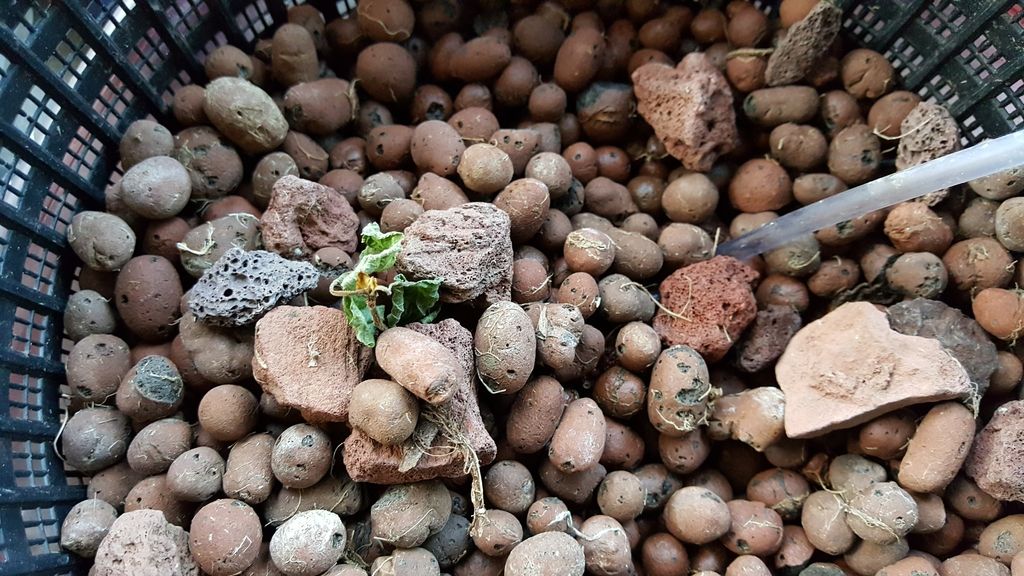
I've seen a few postings about trying to hydroponically grow figs. I think that it can be done with success, so as long as you're not completely drowning the plant.
So what's the point in growing hydroponically vs the traditional soil method? I came up with atleast 3 reasons.
1. No fungus gnats
2. Higher rate of growth
3. Because it's fun to mess with my figs
4/7/16
Rule #1 Don't go on vacation prior to a fig experiment. The cutting did not make it. Could be because it was an under developed cutting with a weak root system or 2 the water level got too low from evaporation and since I wasn't home to monitor it, the cutting dehydrated. Either way, I will probably try this again with a healthier cutting and not while I'm on vacation.
There could be a small chance it will make it so I'll let it run for another week.
The Fiorone di Ruvograft that I used on a Gillette cutting has started to root nicely. Gillette's root like weeds. It doesn't mean that the graft has taken but it does mean that the chances of success are higher. The successfully rooted cutting now has a means to provide energy into the Fiorone di Ruvo graft.
I'm expanding my list of varieties on this cutting to cutting grafting technique. What I'll use are the cuttings that I purchased from Harvey to graft onto hardy Gillette rootstock.
I found this great video on Japanese grafting techniques and rooting of blue berries. It's a great video even if you cannot understand it.
One new thing though:
I recently learned about the bag technique that many plumeria growers use to root their cuttings so I had to try it out for myself on fig cuttings. It seems to have a great deal of success and take up very little space. I'm always up for simple and good ways to do things.
1. Cut to size:
Look for comparable size cuttings on the Gillette and what ever you're grafting to it. For the scion pieces cut off only a single node for grafting.
2. Cut your graft:
You'll need a sharp knife for this.
3. Wrap it up!
Wrap it with parafilm and optionally tighten it with a rubber band. Make sure to complete wrap the entire scion to keep it from drying out. It also very important to label all your cuttings. I bought a couple of sharpies that are suppose to be super resistant to fading. Hopefully they work as advertised.
4. It's not really necessary to use rooting hormone but in this case I did anyways. Be very careful and knock off any excess powder.
5. Prepare your potting mix
I usually just kind eyeball my mixes, so I wouldn't be able to tell you the % of how each material I used. That's probably why I'm terrible baker.
Potting Mix:
-coco coir - I hate peat moss. Fungus gnats love it because of the mold that can
potentially grow from it. So I try to avoid it as much as possible.
-HP promix
-perlite and
-some medium sized bark.
The idea is to have something fast draining and loose. Try to avoid soil that clumps and retains alot of water. Excess water will be the reason why your cutting will rot. The HP promix has mycorrhizae which is great for root development. It's expensive but well worth it.
This mixture is moist to the touch but it doesn't stick to your fingers. If it does, it would indicate that it might be too wet. Just make sure it's not bone dry. DO NOT OVER SATURATE the mix with water.
7. Bag it up
I still had a ton of pet store aquarium bags from my fish hobby days, so I used those. The ideal thing to use to tie up the bags would be rubber bands but since I did not have any handy, I used my garden tape which works great as well.
The cool thing about these longer bags is that after I tie off the soil line, I also tie off the top of the bag to create an additional humidity chamber for the exposed graft. So now I'm not too coincerned about throwing these into a humidity bin. I can just leave them anywhere warm in the house.
I'm sure my wife would love to find one of these bags under her pillow. =)
Here's a video on how to bag them up. It's about plumerias but you get the jist.
8. Keep it warm
The ideal temperature for rooting fig cuttings would be around 75F degrees or about 23C. You can buy am expensive heat mat or what I did was simply place them on top of my LED florescent light from Costco, where the temperature stays at a constant 75F degrees.
Very important notes:
1. From here there is no need to water the cutting, spray it or anything for the next few weeks. Just wait for roots and leaves.
2. HUMIDITY is the X factor between success and failure when it comes to rooting figs. It's such a fine line between having the correct amount of water and too much. I've learned over the last couple of years that the #1 mistake that many new fig growers make when it comes to their cuttings is over watering!!!!!!
So do not over WATER! Once more, DO NOT OVER WATER YOUR CUTTINGS!
If yousee that the bag is getting overly humid then poke some holes or cut off the bottom corners to let some moisture evaporate.
**Overall I think when it comes to rooting figs, there's more than one way to skin a cat. They will root in virtually every way. I think the knowledge needed to be successful is knowing when and how much to water your cuttings. Figs can sit in dry media and it's not a problem for them. They are adapted to such environments in the wild. However they do not like wet feet.
I would have called you crazy if you told me that you can graft 2 cuttings together and root them with success. The idea seems preposterous but it was proven by a Japanese gardener that it could be done and done with high success.
Of course I want to experiment with this myself. =)
I've rooted a bunch of cuttings and varieties and I've noticed that not all figs will root easily or in the same amount of time. Some can root within a week others like the Gene's Vashon take over a month.
I recently acquired 3 Fiorone di Ruvo cuttings from Ebay. These figs can grow to a relatively large size. I'm kind of a sucker for large figs. They do not even have to taste great I just like the idea of a giant fig for some strange reason.
So for this project, I took a single node and grafted it onto a Gillette which I know are super easy to root. (The rest of the cuttings were potted up using the Lasagna method)
I made sure to use an extra long and girthy piece of Gillette to graft onto to ensure a strong root stock.
I used a simple grafting technique and wrapped everything up in parafilm.
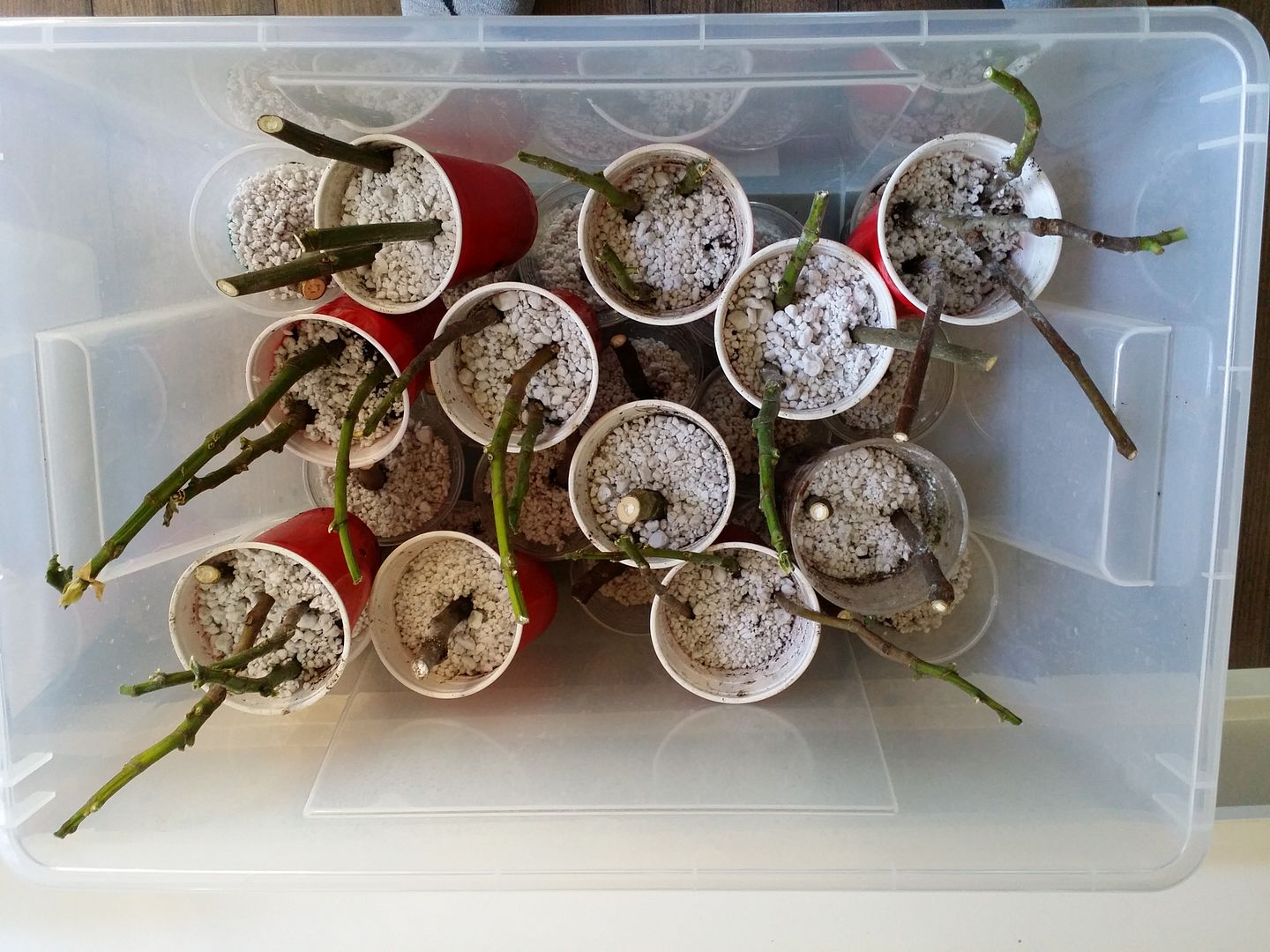
The soil medium is just bark and perlite. A few sprits of water and into the quart bag it went. I set it on top of my Led light to give it just a couple extra degrees of heat. I hope we have some success from it. It would be interesting to see.
Will Silica help figs become more disease resistant and more hardy to winter frosts?
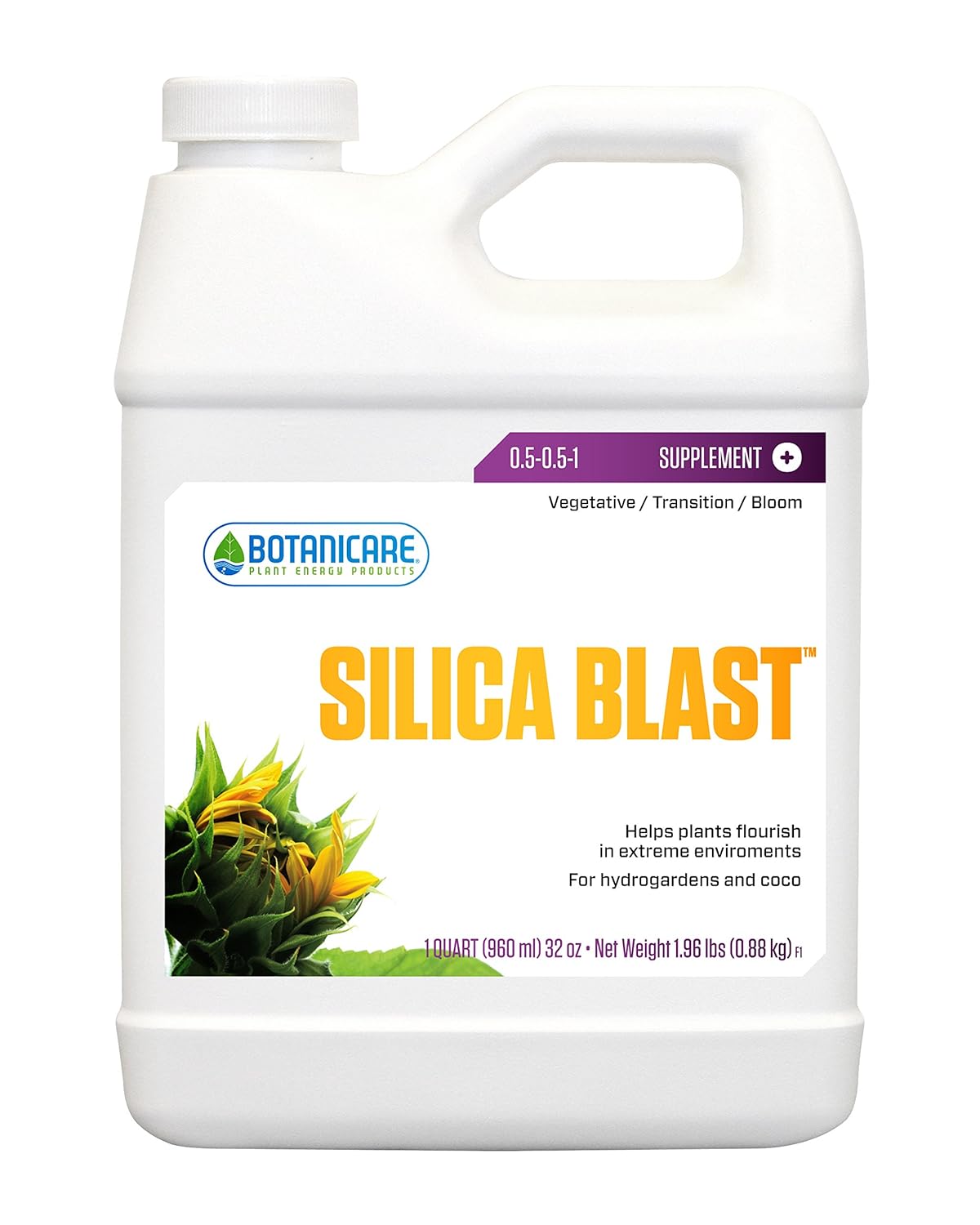
First of all Silica can be found in most soils. Silica Blast helps strengthen plant tissue allowing plants to flourish in
adverse environmental conditions such as heat, drought and frost.
Silica Blast is a beneficial nutrient supplement to be used in
conjunction with Botanicare nutrients or your preferred standard
nutrient program. Silica Blast is ideal of sue in container gardens or soil-less hydrogardening applications. Derived From: Sodium silicate,
Potassium silicate. The silicate in Silica Blast encourages the
formation of a silicate matrix which reduces transpiration and may allow
plant so continue photosynthesis under increased temperatures by
strengthening plant cell walls. Benefits: Helps plants flourish in
extreme environments, Useful in multiple growing environments, Continued
photosynthesis in hotter environments, Strengthens stems, Increased dry
weight in most plant varieties, Stabilized pH in recirculating
hydrogardens.
Now for most of us in the cooler regions of the US, they main concern is to protect the Breba wood in the winters months from dying.
My hypothesis is that Silica Blasts should aid in the strength of the Fig plant's ability to withstand the winter. Or atleast prepare the new growth achieved during the summer to better fight off the winter frosts.
So in theory, if the plant does better to fight off the cold, it should yield a better Breba crop.
The experiment:
I will take 2 Desert King fig cuttings and grow them in the same medium, pot size, and watering schedule. The difference will be one will be fed with Silica the other won't be.